Lens Design and Straylight Analysis for Cameras in Zemax and Speos: Workflow Overview
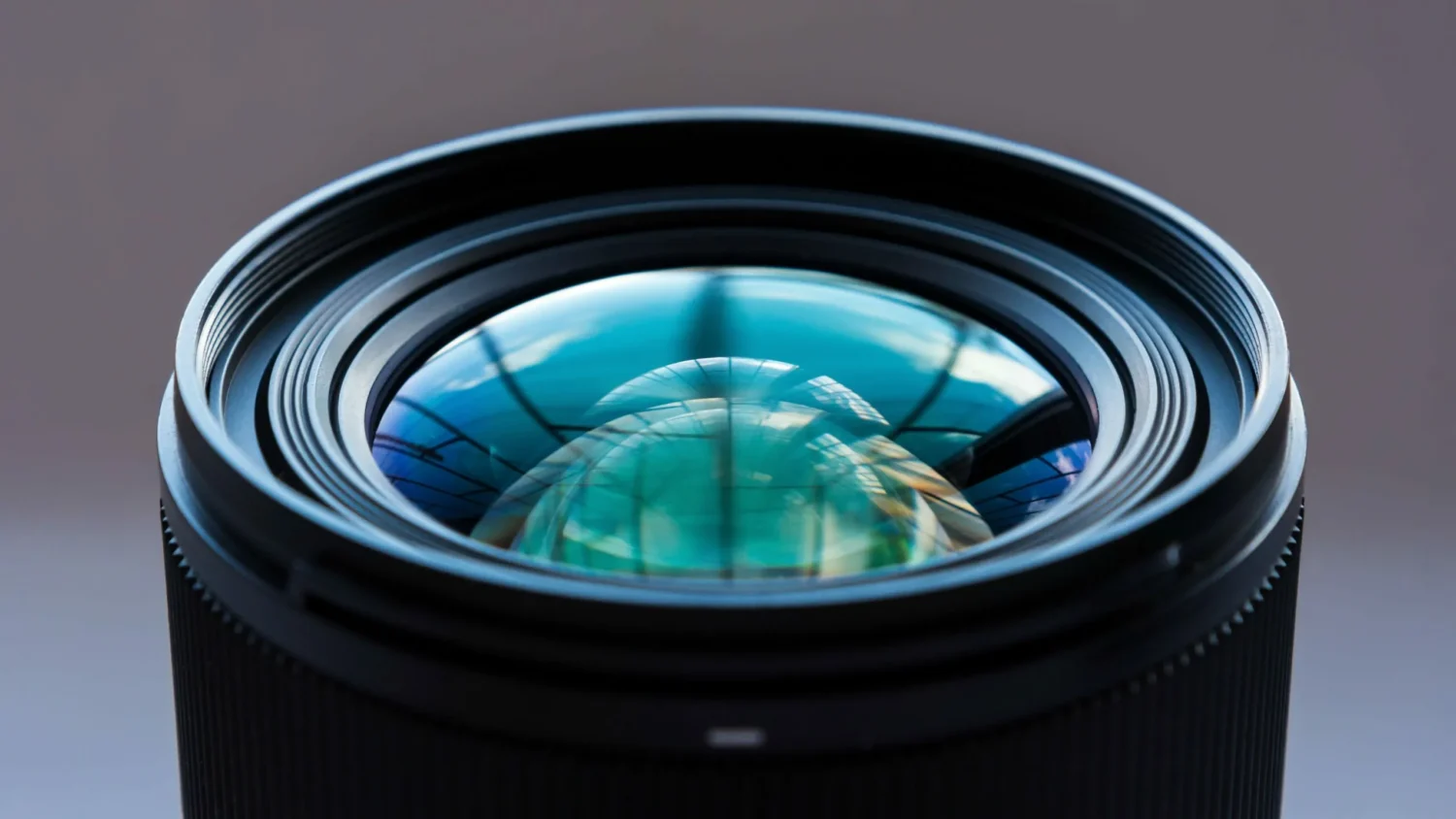
Ansys provides complementary optical simulation tools that address different stages of camera development:
Using both tools together enables a smooth, end-to-end workflow for simulation-driven camera design.
Camera development typically starts in Zemax OpticStudio (Sequential Mode), where engineers define and optimize the lens layout.
General workflow is:
1. Define requirements of the camera system
2. Optimizing optical performance using merit function
3. Ensure robustness of the system through tolerancing analysis
Sequential mode allows fast iteration and is well suited for building a solid optical baseline.
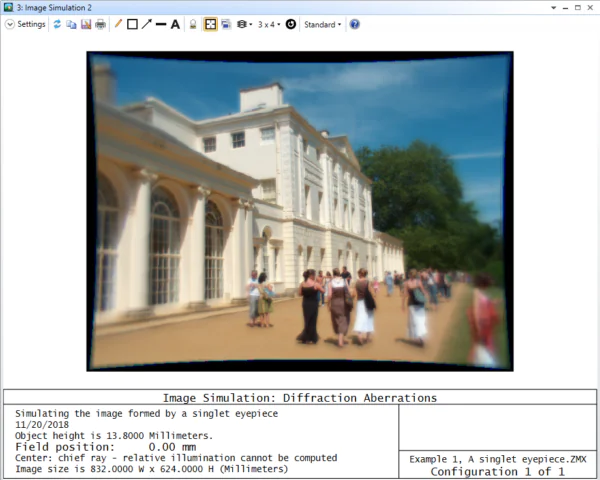
Zemax image simulation tools help engineers visualize how a real scene appears through the lens. This makes it easier to assess distortion, vignetting, and edge performance – and to communicate results beyond the optics team.
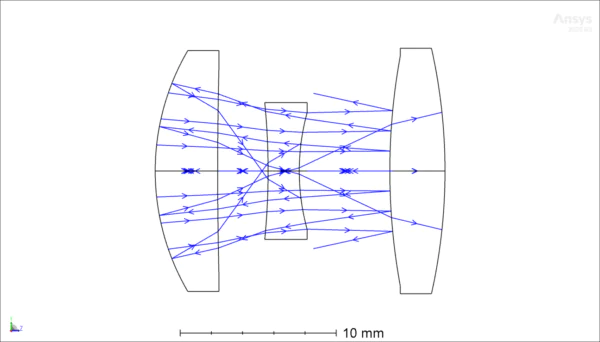
Before full straylight analysis, ghost images must be addressed.
In Zemax, ghost analysis helps engineers:
A simple rule applies: poor ghost performance leads to poor straylight results. Fixing ghosts early saves time later.
Once the lens design is stable, it is converted to non-sequential mode for straylight analysis.
This enables modeling of:
Tools like the Sequence Selector help group and filter ray paths, making it easier to understand which surfaces contribute most to straylight.
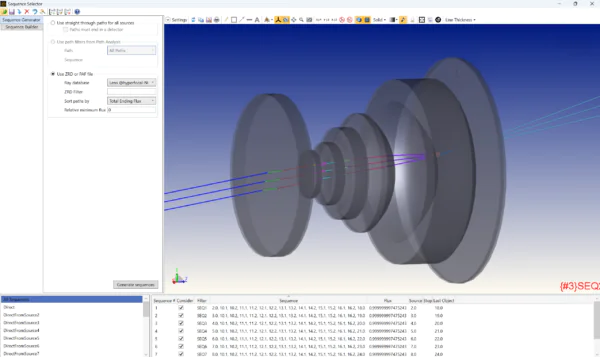
For more demanding studies, the optical system can be exported from Zemax to Ansys Speos using Optical Design Exchange (ODX).
Speos is especially useful when:
This is particularly relevant for automotive and outdoor camera systems.
In Speos, engineers can perform advanced straylight analysis and signal-to-noise ratio (SNR) evaluation.
Key benefits include:
This insight supports targeted design improvements rather than trial-and-error changes.
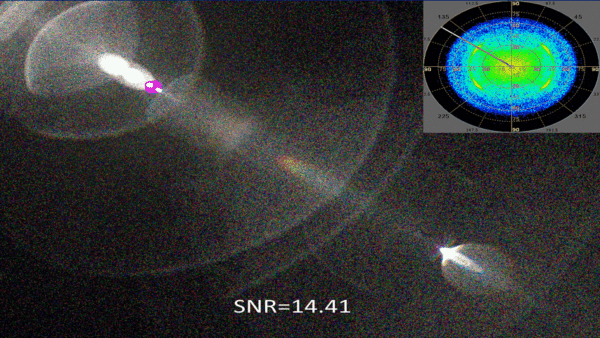
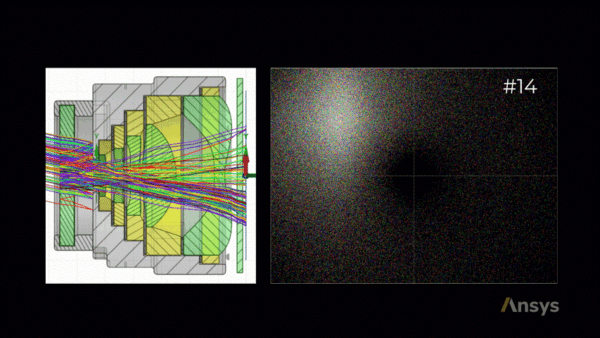
Simulation results typically guide practical mitigation strategies such as:
While straylight cannot always be eliminated, simulation helps define acceptable limits and informed design trade-offs.
By combining lens design in Zemax OpticStudio with system-level straylight analysis in Ansys Speos, optical engineers gain a practical and efficient workflow for camera development. This simulation-first approach reduces risk, improves insight, and supports better-performing imaging systems.
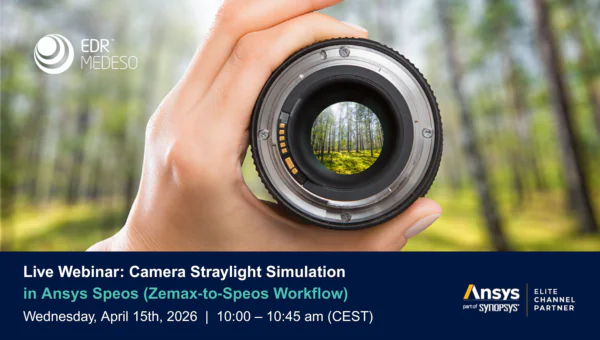
📆 On April 15, we will host a new live webinar on the topic Camera Straylight Simulation in Ansys Speos (Zemax‑to‑Speos Workflow). If this topic is of interest to you, make sure to save your spot now!
🎥 Coffee with an Expert – Lens Design & Analysis for Cameras with Zemax & Speos