Dare to Drive: Reflections from Simulation Leadership Forum 2026

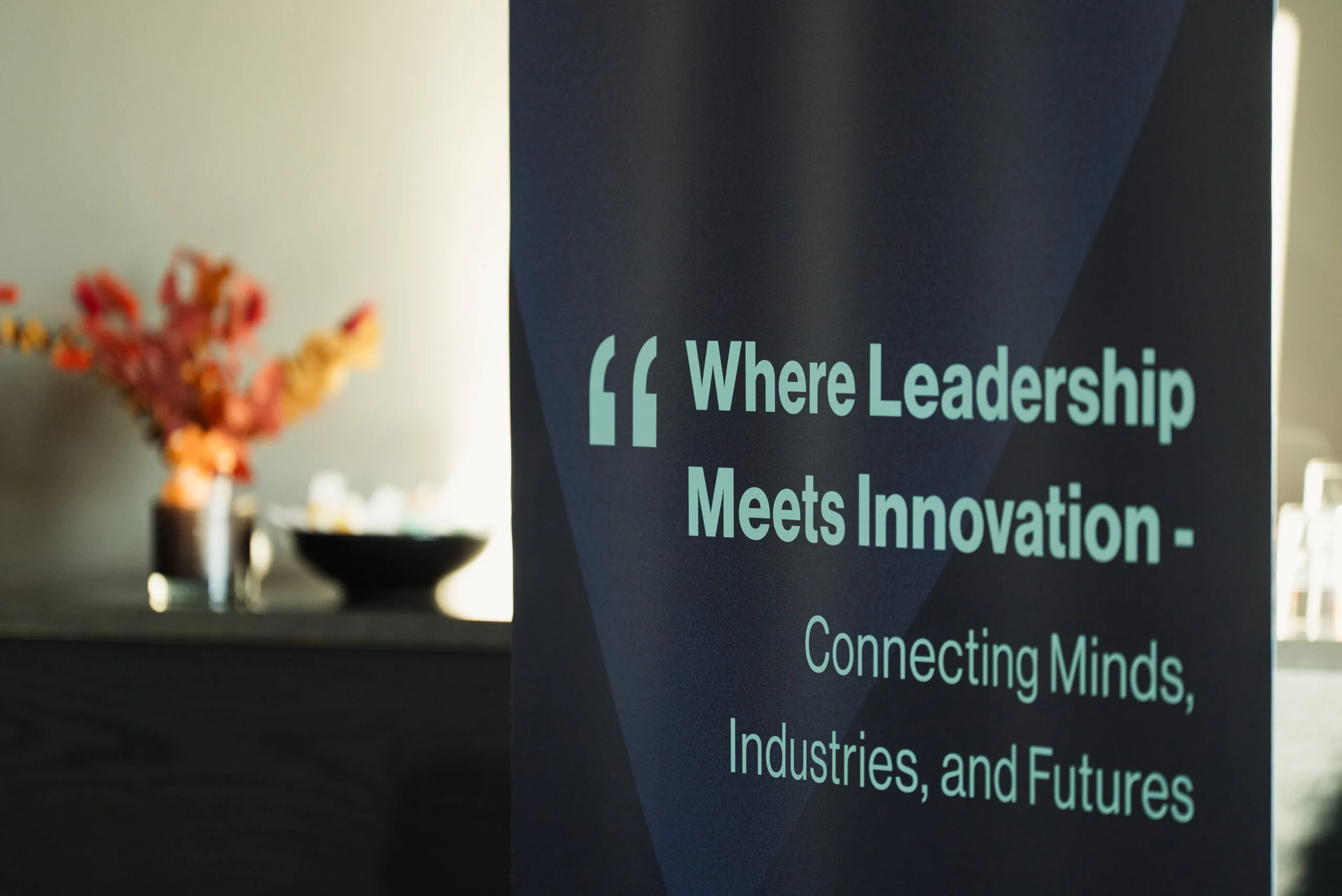
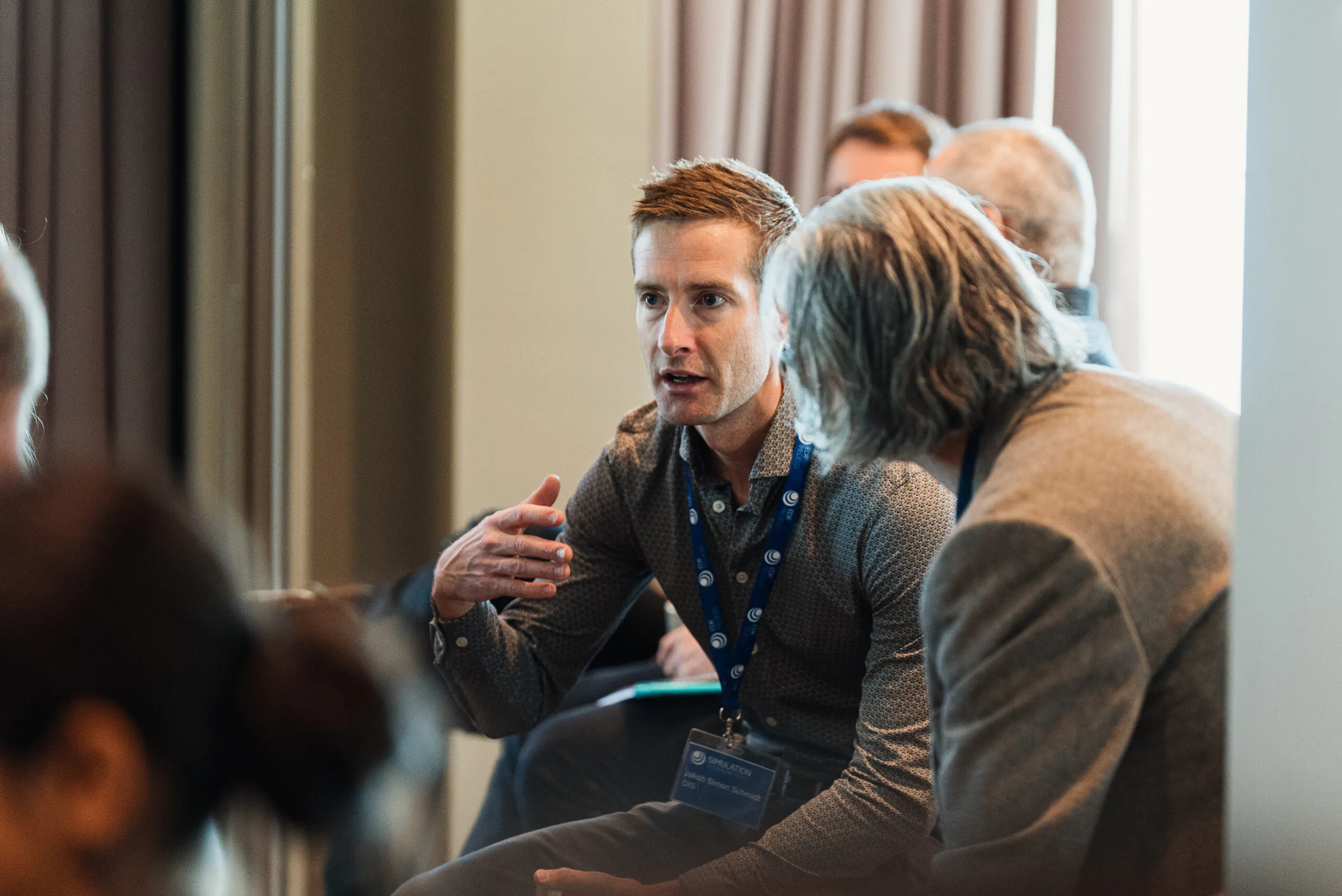
The engineering community came together at the Simulation Leadership Forum 2026 to discuss a challenge that has rapidly moved to the top of the business agenda: how to transform digital engineering from a promising initiative into a measurable driver of business performance.
The theme, ‘Dare to Drive’, centred on a reality many organisations are experiencing today. Digital transformation is no longer about deploying new technologies. It is about leading change, building confidence in data-driven decisions, and creating the organisational capabilities needed to move faster and innovate more effectively.
Across keynote presentations, stories and panel discussions, one message resonated clearly: simulation, modelling, AI and digital engineering tools are more powerful than ever, but technology alone is not enough. Competitive advantage comes from an organisation’s ability to embed these capabilities into everyday decision-making and align them with strategic business goals.
For many years, simulation was often viewed as a specialist capability, used by experts to validate designs or solve specific engineering challenges. Today, that role is expanding dramatically. Organisations are increasingly looking to simulation and digital engineering not simply as tools for verification, but as strategic enablers that help reduce uncertainty, accelerate innovation and support better decisions across the product development lifecycle.
The conversations at SLF reflected this shift. Rather than focusing solely on technology adoption, speakers explored how digital engineering can help organisations respond to increasing product complexity, consumer demands, shorter development cycles and growing competitive pressure. The focus has moved from individual tools towards organisational transformation.
The question is no longer “Should we invest in digital engineering?” The question has become “How do we successfully scale it across the business?”
One of the strongest themes to emerge from SLF 2026 was that successful digital engineering programmes are not built on technology alone. They are built on people.
As organisations invest in simulation, AI and digital engineering capabilities, there is often a temptation to focus on software, infrastructure and processes. While these elements are essential, they are rarely the deciding factor between success and failure. The real challenge lies in helping people change the way they work, make decisions and collaborate across the business.
This was reflected throughout the event, particularly in discussions around organisational transformation, simulation democratisation and leadership. The organisations making the greatest progress are those that recognise digital engineering as a business strategy rather than a technology project.
That distinction is important.
A technology project can be owned by a department. A business strategy must be adopted by an organisation.
When digital engineering is viewed through a strategic lens, the conversation changes. Leaders begin asking different questions:
These are leadership questions, not technical questions.
The speakers at SLF repeatedly demonstrated that lasting transformation happens when organisations invest as much in people, culture and change management as they do in technology. Digital engineering creates the potential for better decisions, but it is people who ultimately turn those decisions into business value.
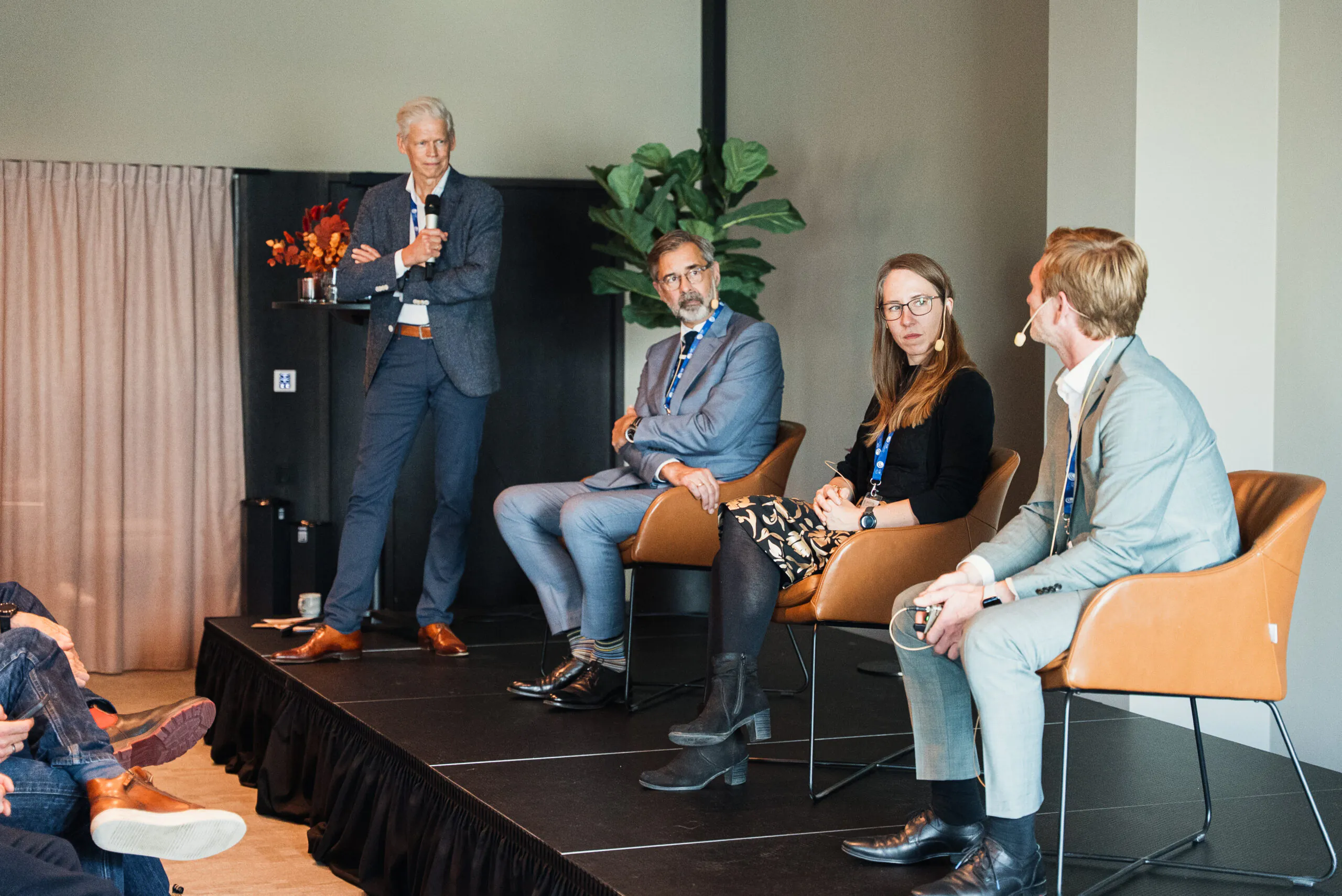
A key strength of the Simulation Leadership Forum has always been its focus on real-world experiences. This year’s speakers shared honest insights from organisations actively navigating digital transformation and scaling engineering capabilities.
Contributors from Grundfos, Vestas Wind Systems, Novo Nordisk, SAAB Aeronautics, RISE Research Institutes of Sweden and Cambashi explored topics ranging from simulation democratisation and AI-driven decision-making to technical leadership and organisational change.
Their stories demonstrated that there is no single roadmap for digital transformation. Every organisation faces unique challenges, priorities and constraints. However, the most successful initiatives tend to share common characteristics:
A recurring discussion throughout the forum focused on decision-making. Engineering organisations today have access to more data than ever before, yet turning that information into effective action remains a significant challenge.
Digital engineering offers the opportunity to connect data, models and simulation results in ways that enable organisations to evaluate options faster, identify risks earlier and make more informed decisions throughout product development. However, achieving this requires more than technical capability. It requires organisations to establish processes, governance and trust that allow engineering insights to influence business outcomes.
As several speakers highlighted, the value of simulation is not measured by the number of analyses completed. It is measured by the quality of decisions those analyses support.
Another important topic throughout SLF 2026 was the increasing impact of artificial intelligence on engineering workflows. While AI continues to attract significant attention, discussions at the event moved beyond the hype to focus on practical implementation and business value.
The consensus was clear: AI has enormous potential to accelerate engineering processes and improve productivity, but its success depends on high-quality data, robust simulation practices and a strong understanding of the problems organisations are trying to solve. AI is not a replacement for engineering expertise. Rather, it is a powerful tool that can help engineers make better decisions and explore solutions more efficiently.
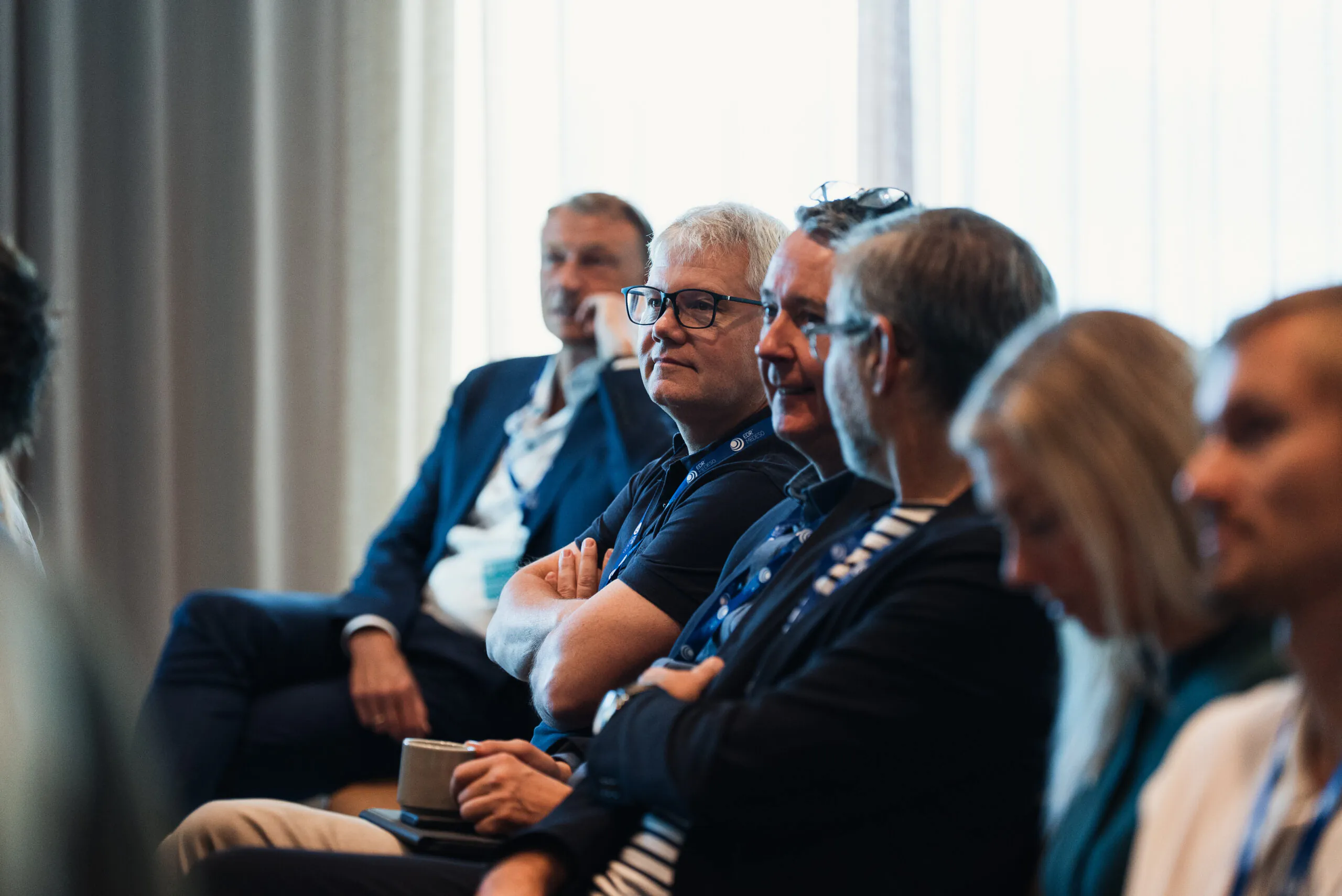
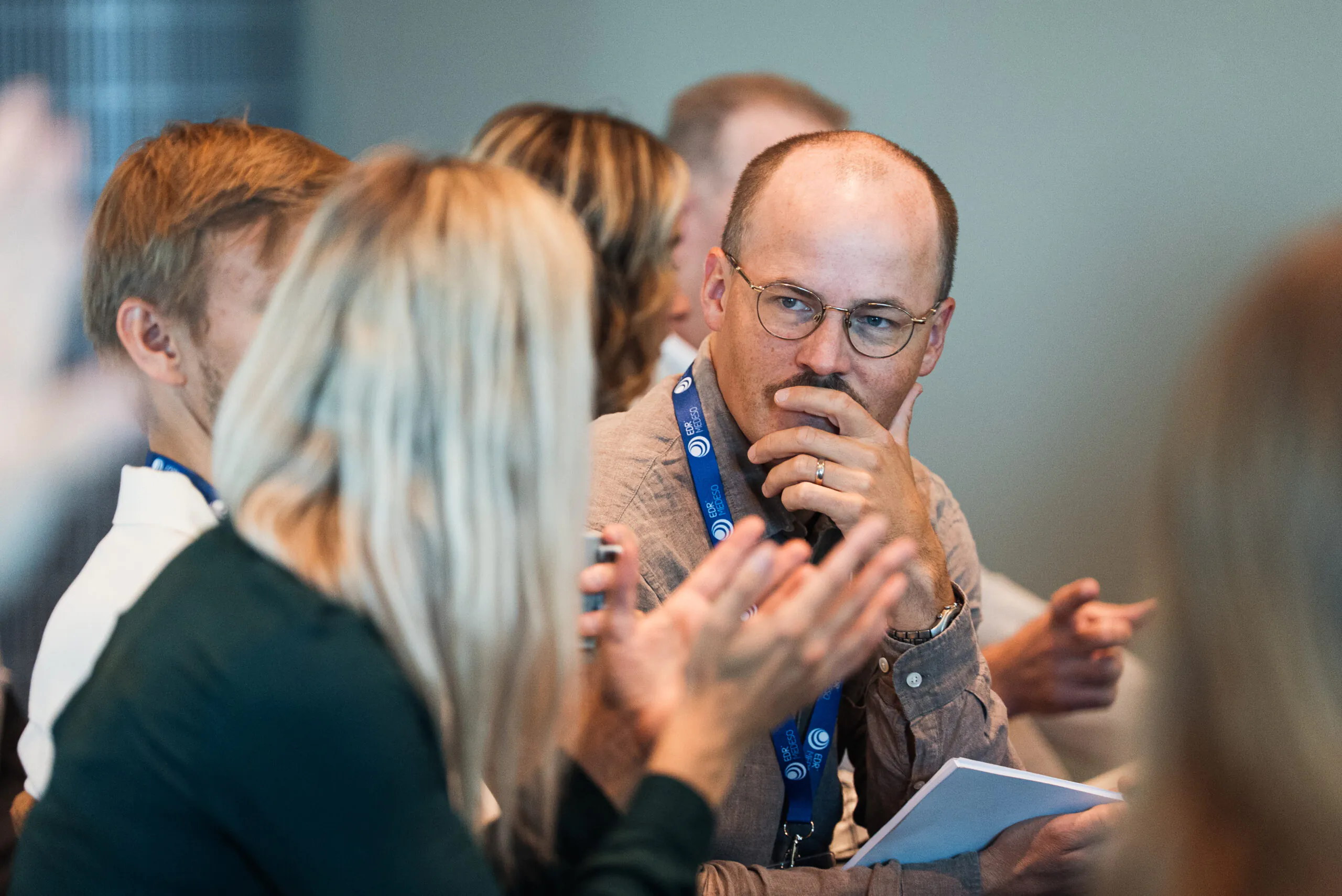
One of the most valuable outcomes of the forum was the opportunity for leaders to exchange experiences openly. Digital transformation is often portrayed as a linear journey, but the reality is far more complex. Progress involves setbacks, learning curves and constant adaptation.
Events such as SLF provide a space for organisations to learn not only from success stories but also from the challenges others have faced along the way. These conversations help build confidence, inspire new approaches and accelerate the adoption of best practices across industries.
Digital engineering is far more than the adoption of new tools. It is a strategic capability that enables organisations to innovate faster, reduce risk and make smarter decisions. But unlocking that value requires more than technology investment. It requires leadership, alignment and a commitment to bringing people on the journey.
The organisations leading the way are not necessarily those with access to the newest technologies. They are the ones creating cultures where simulation, data and engineering insight become part of everyday decision-making. They understand that transformation succeeds when people understand the vision, trust the process and feel empowered to contribute to change.
That was perhaps the most important takeaway from SLF 2026. Digital engineering may be enabled by technology, but it is driven by people.
Because when organisations combine the right tools with the right leadership and the right culture, they do more than adopt digital engineering. They create a lasting competitive advantage. And that is what it truly means to Dare to Drive.