Growing Life Beyond Earth: How Satellite Simulation is Helping Power the BioSat Mission


Space exploration is entering a new era. Beyond launching satellites and collecting data, researchers are increasingly asking a more fundamental question: can life thrive in space?
Answering it starts on the ground, with satellite simulation.
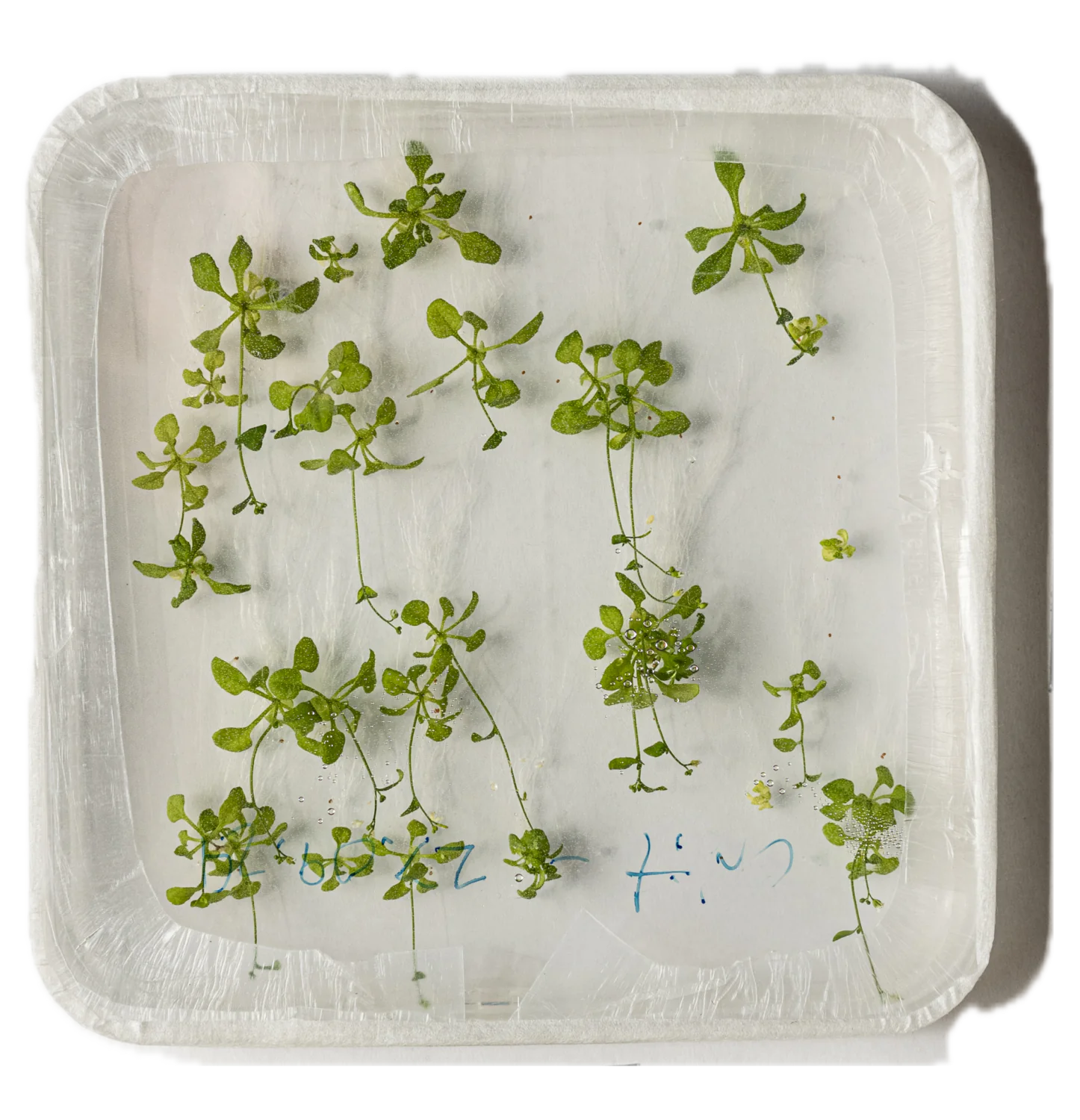
One project seeking to answer that question is BioSat, a student-led 3U CubeSat developed by Orbit NTNU. Scheduled for launch in Q4 2027, the mission will carry Arabidopsis thaliana seeds inside a dedicated biological payload known as the BioBox, allowing scientists and engineers to observe how plants germinate and grow in orbit.
BioSat has been designed around a simple but powerful objective: to study plant growth in microgravity. Inside a sealed chamber, seeds of Arabidopsis thaliana will be germinated using a carefully controlled hydroponic system. The plants will be photographed 14 to 16 times each day, providing valuable data about their development in the unique conditions of space.
The mission follows four key phases:
The results could contribute valuable insights for future long-duration space missions, where sustainable food production may become essential for supporting human life beyond Earth. The mission combines biological research, communications technology, and hands-on engineering experience, demonstrating how student-led projects can contribute to the wider space sector.
Building a satellite is only part of the challenge. Before a spacecraft reaches orbit, engineers must be confident that every system will perform as expected in an environment that cannot be fully recreated on Earth.
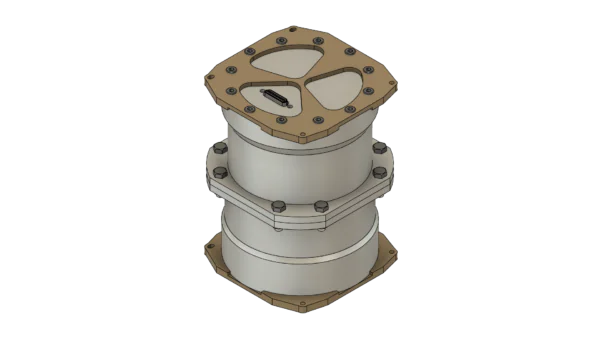
The BioBox A sealed, cylindrical aluminium container split in two: an electronics module with sensors, camera and Flex-Rigid PCBs and a payload module, which houses the seeds and the germination system used to grow them
This is where satellite simulation becomes critical.
Modern satellite simulation allows engineers to model spacecraft behaviour, environmental conditions, communication systems, thermal performance, structural integrity, and payload operations long before launch. By creating accurate digital models, teams can identify issues, evaluate design choices, and reduce mission risk before committing to physical hardware.
For biological missions such as BioSat, simulation can help engineers understand how environmental variables may affect payload performance, communications, power consumption, thermal conditions, and operational timelines before the satellite ever leaves the ground.
Behind every successful space mission lies thousands of engineering decisions that must be validated before launch. Physical testing alone cannot replicate every aspect of the space environment, making advanced simulation an essential part of the development process.
As an Elite Channel Partner for Ansys, EDRMedeso works closely with industry, academia, and student engineering teams to bring simulation-driven engineering into real-world projects. The company supports universities, researchers, and student organisations through access to simulation technology, technical expertise, training programmes, guest lectures, and learning resources designed to develop practical engineering skills.
A key part of this commitment is the EDRMedeso Academic and Student Programme, which helps students gain hands-on experience with industry-standard simulation tools used throughout aerospace, automotive, energy, and advanced manufacturing sectors. Through this initiative, students can access Ansys software, learning forums, tutorials, specialist support, and opportunities to engage directly with simulation experts.
EDRMedeso also actively supports student engineering teams participating in ambitious projects and international competitions. Working alongside the wider Ansys Student Team programme, the company helps teams apply advanced simulation methods to validate designs, optimise performance, and solve complex engineering challenges before physical prototypes are built. This approach allows students to gain valuable experience using the same digital engineering workflows employed by leading aerospace organisations.
For projects such as BioSat, this connection between academia, simulation technology, and practical engineering is particularly important. Designing a satellite capable of supporting a biological payload requires engineers to understand interactions between structures, thermal conditions, power systems, electronics, communications, and payload operations. Simulation enables these systems to be analysed and refined within a virtual environment long before launch, reducing risk while improving confidence in mission performance.
Projects like BioSat demonstrate how the next generation of space engineers is pushing boundaries, investigating questions that could shape the future of human spaceflight. At the same time, organisations such as EDRMedeso are helping provide the simulation capabilities and educational support needed to transform ambitious ideas into successful missions.
Whether growing plants in orbit, designing next-generation satellites, or planning future lunar and Martian habitats, the path to success increasingly begins in the virtual world of simulation. Through the combined efforts of student innovators, academic institutions, and simulation leaders such as EDRMedeso and Ansys, the aerospace industry is building the tools, skills, and knowledge needed for the next era of exploration.
Before we can understand life beyond Earth, we must first understand the systems that take us there. Through satellite simulation, that journey starts long before launch. By combining innovative research, student-led engineering, and cutting-edge digital technologies, projects like BioSat highlight how collaboration across academia and industry is helping shape the future of space exploration. With support from simulation specialists such as EDRMedeso, tomorrow’s missions can be developed with greater confidence, reduced risk, and a stronger foundation for discovery.
Find out more about the EDRMedeso Academic and Student Programme