From Innovation Breakthroughs to Fast, Successful Iterations: How Engineering Simulation Helps Startups Win
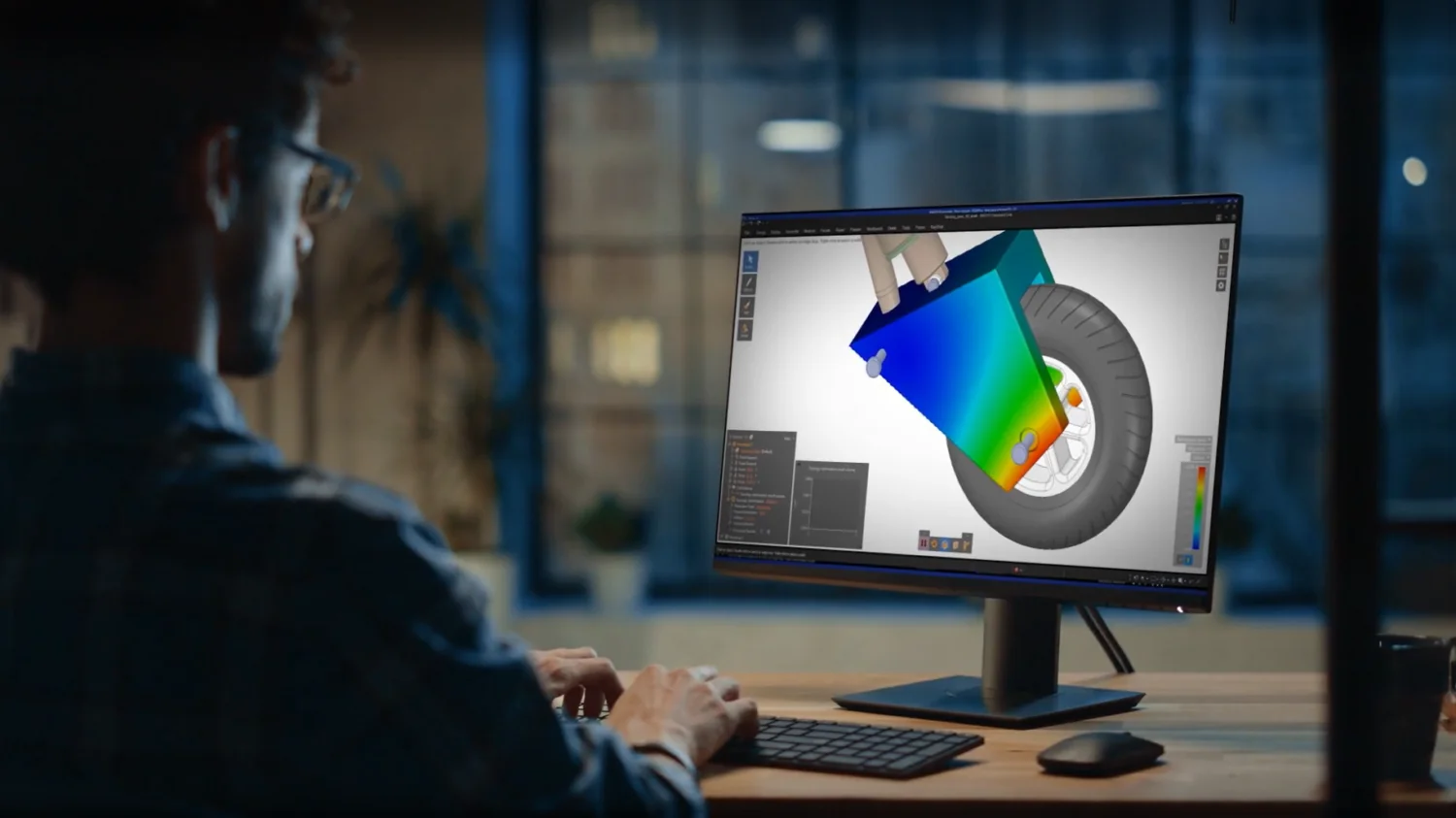

Here, we’ll explore how simulation software can help overcome the biggest challenges faced by startups today, and reinforce this with how EDRMedeso customers have put these benefits into practice.
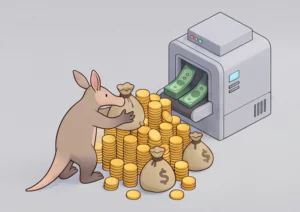
The Challenge: Hardware development is capital-intensive. Every iteration of a physical prototype burns funding on materials, tooling, and testing, and investors are cautious about long payback periods.
How Simulation Helps: Virtual prototyping replaces most of the expensive build-test-break cycle. Startups can trial dozens of design variants in software before cutting a single piece of material and thereby cutting physical prototyping expenses by up to 85%.
A common misconception however is that the cost of leading simulation packages renders these savings moot. This is precisely what the Ansys Startup Program was created to address, offering deep discounts to new businesses that might otherwise have had to do without.
Originally, Ansys software was prohibitively expensive for us as a startup. We would not have been able to use it without the Ansys Startup Program. That’s been hugely beneficial to us because the other simulation tools aren’t the same quality, and we’ve evaluated all of them. So, the Startup Program has been very empowering.”
— Bernt Øivind Børnich, CEO at Halodi Robotics
How Halodi Robotics utilized Ansys to innovate humanoid robot helpers >>
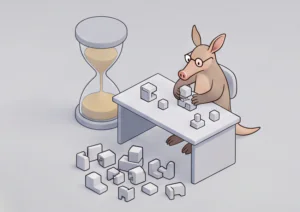
The Challenge: 97% of hardware startups fail to deliver their product on time, and 70% never deliver at all. Long iteration loops and unforgiving redesigns are a big reason why.
How Simulation Helps: Digital models mimic real-world behavior, so engineers can catch flaws spanning thermal, structural, electromagnetic, aerodynamic, and more, before they show up on the bench. This helps identify and mitigate unexpected engineering problems before they disrupt design cycles and delay a project.
Being able to simulate gives us the opportunity to evaluate new designs fast and to assess many design iterations that would not be possible when only relying on analytical calculations or machine testing.”
— Engineer, WattsUp Power
How WattsUp Power employed state-of-the-art simulation to accelerate innovation >>

The Challenge: Founders are constantly asked “is it feasible?”, be it by themselves, their engineers, or potential investors. Without hard evidence, funding rounds stall, partners hesitate, and the whole initiative may grind to a halt.
How Simulation Helps: Simulation turns gut-feel concepts into validated, data-backed designs long before physical hardware exists. Engineers can stress-test structural integrity, aerodynamic performance, and load cases in the virtual world, giving founders something concrete to build upon.
In the early stages of development, Myriad Wind Energy Systems faces the challenge of validating its innovative turbine technology within a limited budget. The decision to use simulation is driven by the need to de-risk the technology before investing further.”
— Peter Taylor, Myriad Wind Energy Systems, COO and Founder
How simulation helps Myriad communicate analyses with stakeholders and investors >>
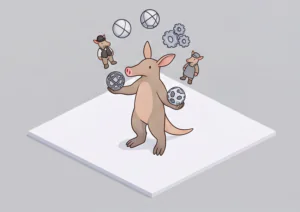
The Challenge: Small teams wear multiple hats and rarely have deep in-house expertise across every discipline a physical product touches, be it mechanical, thermal, fluids, electromagnetics, optics, or beyond.
How Simulation Helps: A single startup bundle enables a small team to punch above its weight, delivering multiple simulation capabilities to a small team that can thereby tackle interconnected engineering problems in a single environment, without having to choose which physics to sacrifice.
We looked at which software could model anything, from sea level up to hypersonic speeds and Ansys won that trade-off.”
— Andrew Bacon, Space Forge, Co-Founder and Chief Technology Officer
How Space Forge benefited from the Ansys Startup Program >>
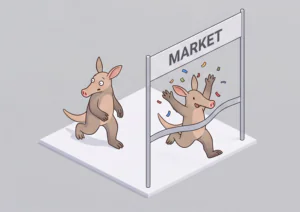
The Challenge: Startups compete against incumbents with deeper pockets. Every extra month in R&D is another month a competitor can close the gap.
How Simulation Helps:Fewer physical builds, faster iteration, and better first-time-right designs compress the development timeline dramatically. Teams that adopt simulation early not only move faster, but change the shape of the race entirely, arriving at market with a validated, optimized product while others are still adjusting early prototypes.
The product development cycle for a new AC drive can stretch out several years. Danfoss engineers wanted to explore ways to bring new products to market faster, which led them to ANSYS.”
— Danfoss Case Study
How Danfoss A/S Reduced Time to Market for AC Drives by 75% >>
For a startup, simulation isn’t a nice-to-have — it’s a lever that turns limited cash into more iterations, limited headcount into broader capability, and limited time into a real shot at market. The teams that adopt it early build better products, faster, and with the evidence to back them up.
Find out more about the Ansys Startup Program >>